Develop an original idea
Bring a challenge, skill or useful offer. Form a team and test what people need, what they will pay for and how you can deliver together.
Our Activities · Incubation Program
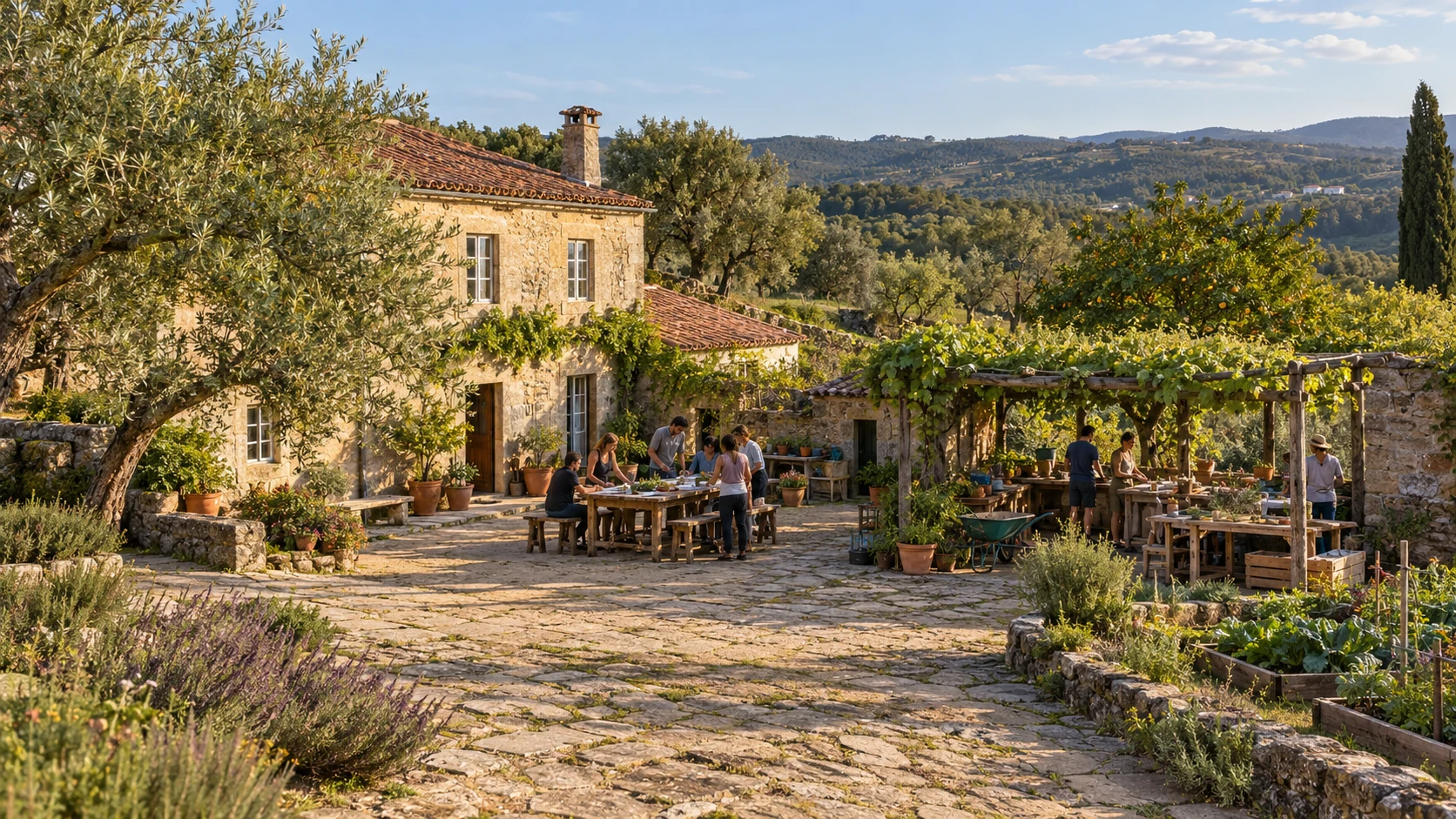
A later programme within Services: a practical environment where people meet, learn to cooperate, test an offer and build the capacity to sustain it beyond the House.
Build the House first. Incubation begins when the operating base, experienced support and programme resources are in place. Applications are not currently open.
Bring a challenge, skill or useful offer. Form a team and test what people need, what they will pay for and how you can deliver together.
Start from an established activity, such as the plant-based food programme, with methods, training and standards that can be adapted locally.
Progress follows evidence and team capacity, not a fixed stay at the House.
Explore shared interests, a useful purpose and the people needed to deliver it.
Ready whenA team can name its purpose, responsibilities and first practical trial.
Develop technical skills, decisions, roles and ways to work through disagreement, supported by practitioners and facilitators.
Ready whenThe team can organise its work and deliver a small commitment reliably.
Build a small product, service or programme using agreed facilities, tools and expert support.
Ready whenThere is something people can use, with initial costs and delivery needs understood.
Make deliveries, gather feedback and improve quality, pricing and the way the team works.
Ready whenRepeat demand and workable economics justify a more sustained operation.
Arrange the team’s own customers, facilities, governance, resources and member livelihoods beyond the House.
Ready whenThe cooperative can keep operating without relying on the House to fill its essential gaps.
Continue learning with others through referrals, mentoring, teaching and agreed contributions.
Working whenExchange benefits both the independent cooperative and the next generation of teams.
People may participate locally without living at the House. Residency is one possible arrangement, not a condition of belonging or a promise of a funded place.
Guest experts, trainers, researchers and experienced cooperative operators contribute practical guidance. Exchanges with aligned initiatives in Portugal and internationally widen the skills and perspectives available.
Each team needs an explicit agreement on facilities, time, practitioner support, costs and responsibilities. Food, accommodation, travel, wages or other support are included only where the programme has made provision for them.
A team may continue as a House operation under clear arrangements. Independence is about viable work and accountable organisation, not moving out for its own sake. When people leave, ongoing House responsibilities require a planned handover.
A test can reveal that an offer or team is not ready to continue. Documenting what happened helps participants make better decisions and contributes useful knowledge to the commons.